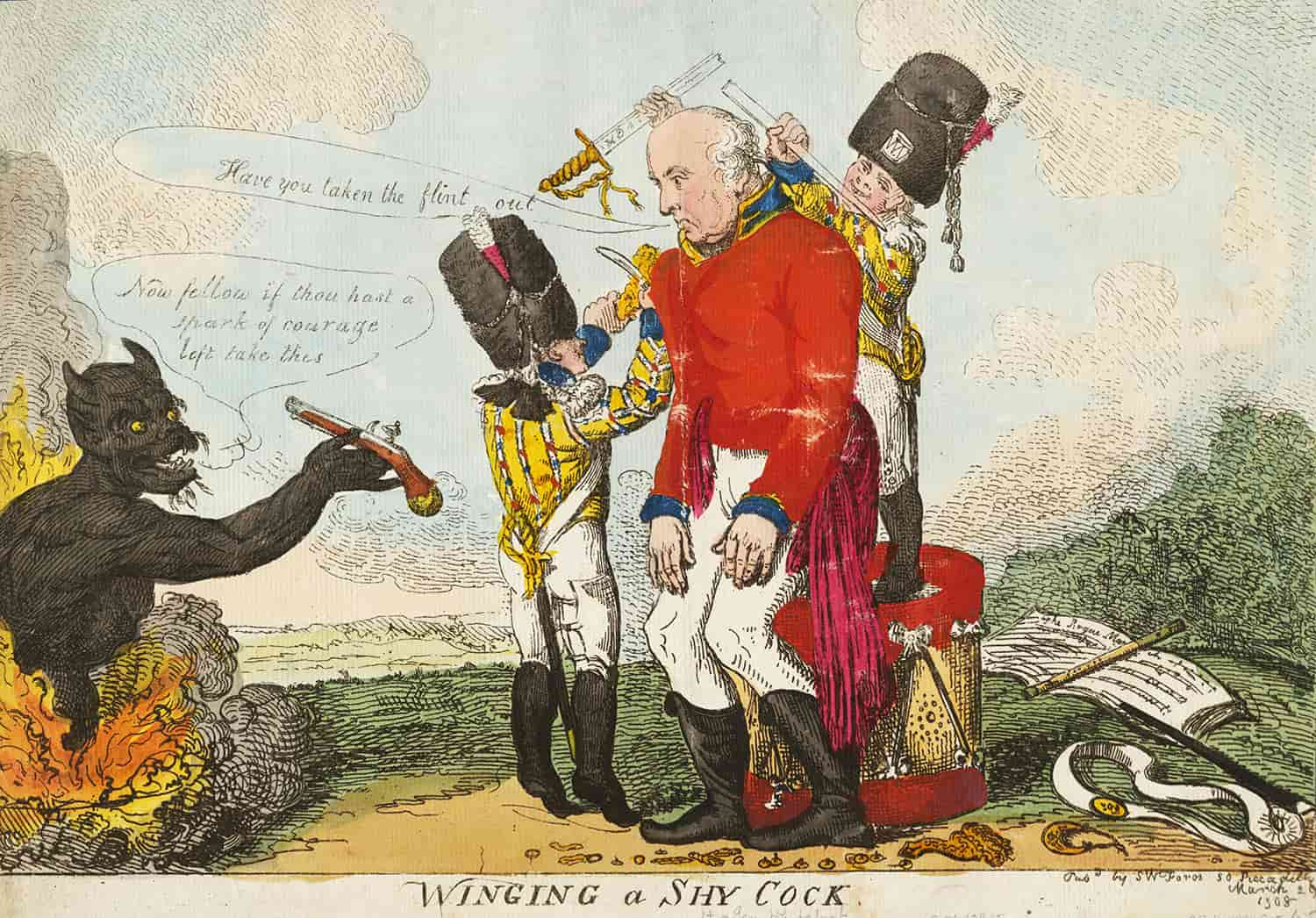
In military and institutional history, firing an officer who has committed treason, cowardice, or gross dishonor is rarely handled with a quiet piece of administrative paperwork behind closed doors. Instead, armed forces and chivalric orders developed a theatrical public ritual known in military law as cashiering—and in modern sociology as a degradation ceremony. Designed to inflict maximum psychological and social weight, this ceremony physically strips the disgraced individual of every badge, button, and weapon in front of their silent peers, transforming an honored member of the elite into an outcast in a matter of minutes.
Sociological Meaning and the Origins of Cashiering
In a landmark 1956 paper published in the American Journal of Sociology, sociologist Harold Garfinkel coined the formal academic term “status degradation ceremony” to describe any communicative work between persons whereby the public identity of an actor is transformed into something looked on as lower in the local scheme of social types. Crucially, Garfinkel noted that a true degradation ceremony does not merely say that a good person made a bad mistake; it retroactively declares that the offender was never truly who they appeared to be, stripping away their old honorable persona entirely.
In European military history, this ritual dates back to the chivalric degradation of medieval knights and was formalized in the sixteenth and seventeenth centuries as cashiering (derived from the Dutch word casseren and French casser, meaning “to break,” “annul,” or “shatter”). Before the abolition of the purchase system in the British Army in 1871, wealthy aristocrats literally bought their officer commissions for thousands of pounds and sold them back upon retirement as their pension. Being “cashiered” meant not only public disgrace, but the immediate, uncompensated financial confiscation of the officer’s commission value.
Anatomy of the Ritual: Snapped Swords and Torn Epaulettes
Across European, American, and Commonwealth armies of the eighteenth through twentieth centuries, a military degradation ceremony followed a chillingly choreographed script designed to reverse every single step of an officer’s original commissioning parade:
- The Hollow Square and Inverted Drums: The condemned officer’s entire regiment or garrison was marched out onto the parade ground and formed into a three-sided or four-sided hollow square, standing at rigid attention. Regimental drummers beat a slow, muffled cadence—often the “Rogue’s March”—as the prisoner was marched into the center.
- Reading the Sentence and Tearing the Insignia: After the adjutant read the court-martial conviction aloud, a senior non-commissioned officer stepped forward and physically ripped the gold epaulettes from the officer’s shoulders, tore the rank stripes from his sleeves, ripped the regimental buttons off his tunic coat one by one, and threw them into the dirt at his feet.
- Breaking the Sword: In the climax of the ceremony, the officer’s dress sword—the ancient symbol of a gentleman’s honor and authority—was drawn from its scabbard, held high before the silent ranks, and snapped clean in half over the executioner’s knee, with the broken steel blades cast onto the ground.
Famous Historical Examples: From Alfred Dreyfus to Thomas Cochrane
History’s most infamous military degradation ceremony took place on the freezing morning of January fifth, 1895, in the courtyard of the École Militaire in Paris. Falsely convicted of passing French artillery secrets to the German Embassy on the basis of forged documents and institutional antisemitism, thirty-five-year-old Captain Alfred Dreyfus stood at attention before four thousand soldiers and twenty thousand screaming spectators outside the gates. As Warrant Officer Bouxin ripped the gold braids, red stripes, and buttons from his uniform and snapped Dreyfus’s sword over his knee, Dreyfus raised his arms and shouted in a clear voice: “Soldiers, an innocent man is being degraded! Long live France! Long live the Army!” Eleven years later, in July 1906, after the novelist Émile Zola’s famous J’Accuse…! letter helped expose the cover-up, Dreyfus returned to that exact same courtyard for a reverse ceremony: promoted to Major and awarded the Legion of Honour.
Other dramatic historical degradations include:
- Lord Thomas Cochrane (1814): The brilliant Royal Navy frigate captain who inspired the fictional heroes Horatio Hornblower and Jack Aubrey was falsely implicated in the Great Stock Exchange Fraud of 1814. Stripped of his Knighthood of the Bath, Cochrane had his heraldic banner physically ripped down from King Henry VII’s Chapel in Westminster Abbey and kicked down the front stone steps into the street by the King of Arms—before eventually being pardoned and restored to Rear Admiral by Queen Victoria.
- The Ecclesiastical Degradation of Jan Hus (1415): At the Council of Constance, before handing the Czech church reformer Jan Hus over to secular authorities to be burned at the stake, seven bishops dressed him in full priestly vestments holding a chalice, then stripped off each vestment piece by piece with a formal curse, scraped the skin of his fingers with a shard of glass or metal to “remove” his priestly anointing oil, and placed a tall paper hat painted with red devils on his head.