Category: Science

The scope of scientific study is vast, and it encompasses fascinating and intricate disciplines. Learn more about the most interesting topics in science.

  • Why Is Cancer Called Cancer?

    Why Is Cancer Called Cancer?

    Few words in the modern medical lexicon carry the immediate emotional weight of the term cancer. Used today to describe a vast collection of more than two hundred distinct diseases characterized by the uncontrolled division of abnormal cells, the word itself is surprisingly ancient. Rather than originating in a modern pathology laboratory, the name traces back more than two thousand four hundred years to the island of Kos in the Aegean Sea, where ancient Greek physicians looked at the physical shape of advanced tumors and saw the unmistakable silhouette of a common marine crustacean: the crab.

    Hippocrates and the Greek Karkinos

    Before the fifth century BC, ancient civilizations had already documented malignant tumors without giving them their modern name. The oldest known surgical treatise in history, the Egyptian Edwin Smith Papyrus dating to around 1600 BC, described eight cases of hard, bulging growths in the breast that felt cool to the touch, lacked pus, and resisted all known remedies. However, the formal naming of the disease occurred during the Classical Greek era through the work of Hippocrates of Kos, universally revered as the Father of Medicine, and the medical writers of the Hippocratic Corpus.

    Examining patients suffering from advanced, ulcerated surface tumors—particularly breast tumors that had grown large enough to distort the surrounding skin—Hippocrates introduced two specific Greek terms: karkinos, meaning a crab, and karkinoma, referring to a malignant ulcer or growth. To the clinical eye of an ancient Greek doctor who possessed no microscope to view individual cells, the visual analogy was remarkably accurate. The dense, hardened central core of a solid tumor resembled the rounded carapace shell of a crab buried in wet sand, while the swollen, engorged blood vessels and invasive strands of tissue radiating outward in all directions looked exactly like the splayed, multi jointed legs and pincers of the crustacean.

    Celsus and the Translation Into the Latin Cancer

    For nearly four hundred years, medical texts across the Hellenistic world continued to use the Greek words karkinos and karkinoma. The transition to the exact English spelling we use today happened in Rome during the first century AD, thanks to the Roman encyclopedist Aulus Cornelius Celsus. Writing his monumental medical treatise De Medicina during the reign of Emperor Tiberius, Celsus set out to translate Greek medical terminology into clear, idiomatic Latin for Roman readers.

    When Celsus reached the section on malignant growths, he simply translated the Greek word karkinos directly into its exact Latin equivalent: cancer, the everyday Latin noun for a crab. Celsus also noted that just as a living crab clamps down onto its prey with its claws and refuses to let go even if its limbs are pulled, a malignant tumor grips the surrounding healthy flesh with stubborn tenacity, often returning even more aggressively if a Roman surgeon attempted to cut it out with a scalpel or burn it with a hot iron.

    Galen, Oncos, and the Doctrine of Black Bile

    A century after Celsus, another towering Greek physician working in Rome, Galen of Pergamon, added a second enduring word to the vocabulary of the disease. While Galen kept the crab comparison for invasive, ulcerated malignancies—noting that the swollen veins stretching out from a dark breast tumor looked just like a crab’s legs—he used the Greek word onkos, meaning a bulk, mass, or swelling, to describe benign and early stage tumors in general. Two millennia later, Galen’s term onkos gave modern medicine the words oncology and oncologist for the study and clinical treatment of cancer.

    Beyond naming the shapes of tumors, Hippocrates and Galen also formulated an influential theory to explain what caused the crab to grow inside the body. Operating under the ancient humoral theory, which held that human health depended on the balance of four bodily fluids—blood, phlegm, yellow bile, and black bile—Galen argued that cancer was caused by a dangerous localized trapping and thickening of atra bilis, or black bile. Because black bile was considered dark, cold, and acidic, Galen taught that when the spleen failed to clear excess black bile from the bloodstream, the dark fluid settled in tissues like the breast or stomach and solidified into a crab like tumor, a medical belief that dominated European universities for over fourteen hundred years until the rise of cellular pathology in the nineteenth century.

  • Why Do We Have Fingernails?

    Why Do We Have Fingernails?

    Human fingernails and toenails begin to form by the 20th week of fetal development. They consist of several parts. What we see on the outside is the nail plate, made of keratin, a hardened protein that is also found in the epidermis, hair, horns, claws, and hooves of mammals. Beneath the nail plate is a layer of skin called the “nail bed.” At the base of the nail plate is the cuticle, and behind and around it are the nail folds, which protect the nail from injury and bacteria. The matrix, the hidden part of the nail located beneath the cuticle, is made up of living cells that produce keratin. Typically, fingernails grow about 3.5 mm per month, while toenails grow about 1.5 mm.

    Humans inherited their nails from primate ancestors. Scientists believe that these skin appendages appeared 58–55 million years ago, evolving from claws. Their main function was to help primates adapt to life in the trees.

    buy vilitra online https://b-nutritious.com/support/php/vilitra.html no prescription pharmacy

    Nails supported the fingertips and toes, increasing the surface area for gripping when pressure was applied to the fingers. This allowed our ancestors to confidently maneuver between tree trunks, where they lived. Additionally, broad fingers with nails enabled them to grasp thin branches and collect and peel fruits.

    After primates descended from the trees, finger dexterity and a strong grip became essential for making and using tools. Without nails, it would have been much harder to manipulate fingers and adapt to the new way of life. Modern humans, for example, might not be able to thread a needle or perform surgical procedures without them.

    Of course, the function of nails isn’t limited to finger dexterity and gripping surfaces. Their primary role is to protect the sensitive tips of the fingers from injury.

    Imagine if there were no nails on your pinky toes. Every bump against the corner of a table or the leg of a couch would feel much sharper. Actually, don’t imagine it—it’s the kind of pain that would stay with you for a long time.

    Nails also help protect against infections. If the nail plate is damaged, harmful microorganisms can more easily penetrate the body and cause illness.

    In some cases, by examining a patient’s nails, a doctor can hypothesize that the person may have a deficiency in certain micronutrients or a disease. For example, a concave nail plate can indicate an iron deficiency, yellowing may suggest lung issues, and small pits might be a sign of nail psoriasis. But again, only a doctor can make accurate diagnoses.

    Nails can also assist investigators in solving crimes.

    buy kamagra gold online https://b-nutritious.com/support/php/kamagra-gold.html no prescription pharmacy

    If a victim fought back and scratched the perpetrator, skin particles from the attacker might remain under the victim’s nails.
    buy cytotec online https://b-nutritious.com/support/php/cytotec.html no prescription pharmacy

    This material can be sent for DNA analysis, which can help identify the culprit among the suspects.

    Perhaps we could get by without nails, but since they have accompanied us through millions of years of evolution, they certainly make our lives better and more comfortable. Remember this the next time you feel like biting your nail.

  • 5 Facts About Beer That Will Amuse You

    5 Facts About Beer That Will Amuse You

    Sumerians Drank Beer From Cellars Through a Straw

    Beer is one of the oldest alcoholic beverages. It was invented around 13,000 years ago. For the Sumerians in 3000 BC, beer was very popular, but they consumed it in a very different way than we do today.

    Usually, the drink was prepared at home and fermented under the floor in clay or stone vats. It was quite thick and resembled soured porridge—the liquid was only at the top.

    When Sumerian aristocrats wanted a drink or to treat their friends, they took very long hollow sticks, dipped them into the cellar vats, and sipped the beer through them.

    These straws were quite large—so much so that scientists initially thought the discovered specimens were scepters or poles to support canopies. The ends were fitted with gold or silver tips decorated with figurines of bulls. These tips filtered out the thick sludge, allowing only the liquid to be sipped.

    The Oldest Beer Is Over 200 Years Old and You Can Drink It

    oldest beer
    The oldest drinkable beer was found off the coast of Finland in 2010 according to the Technical Research Centre of Finland in a statement on February 8, 2011. Image: UPI/VTT/Antonin Halas | License Photo

    In 2011, Finnish divers retrieved five bottles of beer from a shipwreck in the Baltic Sea. The shipwreck occurred between 1800 and 1830, meaning the discovered beer was over 200 years old.

    buy ozempic online https://buynoprescriptionrxonline.com/buy-ozempic.html no prescription pharmacy

    It might seem reckless to try a liquid that had spent two centuries on the sea floor, but some brave Finns did it.

    People who tasted the beer for the Finnish Technical Research Center said the taste was “very old,” with notes of burnt wood. The beer was quite sour—apparently, some fermentation continued in the bottle.

    Paulan Monks Drank Beer During Lent Because It Was “Liquid Bread”

    Monks have always been remarkably inventive when it comes to finding ways to eat during Lent. They classified beavers as fish so they could eat their tails with horseradish, and they also ate capybaras. They even wrote an entire scientific treatise proving that birds grow on trees, meaning that eating goose was allowed since it wasn’t considered meat.

    The Paulan monks from Neudeck ob der Au in Germany also employed various tricks to lighten their fasting and avoid angering the Lord. They came up with the idea of brewing incredibly strong and malty beer—so thick it could be scooped with a spoon.

    This brew was called “liquid bread,” and as bread is allowed during Lent, so was the drink. The beer was so strong and caloric that the monks could actually sustain themselves on it.

    According to legend, the abbot of the Paulan monastery, to be safe, decided to ask the Pope if their beer could be consumed during Lent and sent him a barrel for a taste.

    During the journey, the beer soured, and when the Pope tried it, he almost threw up. He declared that drinking such filth required great humility before the Lord and allowed the monks to consume the beer during Lent.

    By the way, the modern version of this beer—no longer thick but liquid and filtered—is now sold under the Paulaner Salvator brand.

    buy symbicort inhaler online https://buynoprescriptionrxonline.com/buy-symbicort-inhaler.html no prescription pharmacy

    Beer With 55% Alcohol Was Sold in a Stuffed Squirrel

    Once, the brewers from the Scottish firm BrewDog came up with the idea of brewing the world’s strongest beer, and they created a drink with 55% alcohol content. Such a brew is made by repeatedly freezing it, removing the water, and leaving the maximum amount of alcohol.

    But selling such beer in a simple bottle seemed boring to BrewDog, so they created special packaging for the first batch of 12 bottles.

    buy augmentin online https://buynoprescriptionrxonline.com/buy-augmentin.html no prescription pharmacy

    The vessels were placed in… stuffed squirrels, weasels, and a hare. This was to make the $765 beer’s packaging more entertaining for buyers.

    According to company representatives, no animals were harmed in the making of the packaging: the bodies of roadkill were specially collected from Scottish roads and then handed over to a taxidermist.

    Beer Can Not Only Be Drunk but Also Spread on Bread

    birraspalmabile
    Image: birraspalmabile.com

    If you really crave beer but can’t tolerate alcohol, you still have a chance to enjoy it—in the form of a spread.

    The owner of an Italian chocolate shop, Pietro Napoleone, came up with a unique recipe: mix 40% craft beer, sugar, and glucose syrup and turn it into a thick paste that can be spread on a roll.

    This creamy non-alcoholic drink pairs well with cured meats, game, roasts, fish dishes, salads, and desserts. It also goes well with crackers, fried sausage, cheese, bacon, and eggs—in short, it can be eaten with just about anything. The product is called Birra spalmabile.

  • Why Do People Love the Smell of Rain?

    Why Do People Love the Smell of Rain?

    When a warm, dusty summer drought is broken by the first heavy drops of a thunderstorm, a distinct, deeply comforting earthy perfume rises immediately from the ground and fills the air. Across cultures and continents, human beings experience an almost universal emotional lift when breathing in this scent. Known scientifically since 1964 as petrichor, the aroma of rain is not produced by the water falling from the clouds—rainwater itself is completely odorless—but by a microscopic symphony of soil bacteria, plant oils, atmospheric electricity, and deep evolutionary memory.

    1964: Coining “Petrichor” (The Blood of the Stones)

    Although perfumers in places like Kannauj, India, had been capturing the scent of baked clay after monsoon rains inside sandalwood oil for centuries (selling it as matti ka attar, “earth perfume”), the chemical mystery was first solved in 1964 by two Australian researchers at the Commonwealth Scientific and Industrial Research Organisation (CSIRO): Isabel Joy Bear and Richard G. Thomas.

    Publishing their landmark paper in the journal Nature, Bear and Thomas coined the word petrichor by combining two ancient Greek words: petra (meaning “stone” or “rock”) and ichor (the ethereal golden fluid that flowed in the veins of the immortal Greek gods instead of blood). Translating literally to “the blood of the stones,” petrichor is the collective name for three distinct chemical compounds triggered before, during, and after a rainstorm:

    • 1. Geosmin (The Earthy Bacterial Molecule): The star player behind the smell of damp forest soil and freshly plowed earth is an organic bicyclic alcohol called geosmin (from Greek ge, “earth,” and osme, “odor”). Geosmin is produced as a metabolic byproduct by harmless, ubiquitous soil-dwelling bacteria known as actinomycetes (specifically the genus Streptomyces, the exact same beneficial bacteria from which scientists derive two-thirds of our clinical antibiotics!). During dry weather, these bacteria produce microscopic spores coated in geosmin waiting for moisture to germinate.
    • 2. Plant Essential Oils Stored in Rock Pores: During long dry spells, plants secrete complex mixtures of fatty acids and volatile essential oils (such as palmitic and stearic acids) onto the soil and rocks, where they act as a natural chemical brake to stop seeds from sprouting while there is no water in the ground.
    • 3. Atmospheric Ozone ($O_3$) Before the Storm: Why can you often “smell” a rainstorm coming fifteen minutes before the first drop hits your skin? High up in the thunderclouds, bolts of lightning split nitrogen and oxygen molecules apart in the air, which recombine into three-atom oxygen molecules—ozone ($O_3$). Downdraft winds push this sharp, clean, slightly sweet chlorine-like smell of ozone down to ground level ahead of the rain front.

    High-Speed Cameras Reveal How Raindrops Launch Aerosol Bubbles

    For fifty years after 1964, scientists knew what geosmin and plant oils were, but they didn’t understand the physical mechanics of how slow raindrops knocked those molecules out of the dirt and up to the level of human noses. In 2015, mechanical engineers at the Massachusetts Institute of Technology (MIT) pointed ultra-high-speed cameras at 600 frames per second toward twenty-eight different soil types and filmed the exact millisecond a raindrop hits the ground:

    1. When a light or moderate raindrop strikes porous, dry soil or stone, it traps tiny microscopic bubbles of air underneath the flattening droplet.
    2. Just like champagne bubbles rising to the top of a glass, those microscopic air bubbles shoot upward through the water droplet, picking up dissolved geosmin and plant oils from the soil pores along the way.
    3. Breaking through the top surface of the raindrop, the bubbles burst and launch a cloud of hundreds of microscopic aerosol droplets fizzing several inches into the air, where the breeze carries them straight to your olfactory receptors! (Interestingly, the MIT team discovered that light-to-moderate rain produces far more petrichor than a torrential downpour, because heavy rain hits so hard and fast that it floods the surface before bubbles can form.)

    200,000 Times More Sensitive Than a Shark Smelling Blood

    Perhaps the most astonishing biological fact about the smell of rain is how ridiculously sensitive the human nose is to geosmin. Even though humans have a notoriously weak sense of smell compared to dogs or bears, our olfactory receptors can detect geosmin diluted in the air at concentrations as low as five parts per trillion—equivalent to detecting a single teaspoon of geosmin dissolved inside two hundred Olympic-sized swimming pools! That makes the human nose thousands of times more sensitive to the smell of wet earth than a great white shark is to the scent of blood in seawater.

    Why did evolution wire both humans and insects (and even desert camels) with a hair-trigger sensor for geosmin, and why does the scent instantly soothe our nervous system? Anthropologists and evolutionary biologists point to an ancient survival imperative: for hundreds of thousands of years on the East African savannas and across the globe, drought meant starvation and death, while the arrival of rain meant fresh drinking water, sprouting green plants, and returning game animals. Those early ancestors whose brains rewarded the scent of geosmin with a rush of dopamine and calm relief survived to pass on their genes—leaving every modern human with a built-in love affair with the smell of rain.

  • How Our Brains Work When We Read Books

    How Our Brains Work When We Read Books

    Many people know what it’s like to dive headfirst into a captivating book. Sometimes fictional characters and emotions can feel completely real. But what happens in our brain when we devour page after page? How does this differ from its work during other moments of everyday life? And is there any difference at all?

    These questions were partially answered by a team led by specialists from Carnegie Mellon University. They explored how we read literature using a machine learning algorithm.

    How Scientists Study Brain Activity During Reading

    The perception and comprehension of written text is an incredibly complex process. Early research tried to break it down into parts, focusing on each aspect separately. For instance, using functional magnetic resonance imaging (fMRI), they tracked which brain structures were involved in processing a single word or sentence.

    However, these strictly controlled experiments barely resembled the actual process of reading. Sentences used as stimuli for brain activity were often out of context, crafted specifically for the research. While such studies provided useful information about certain aspects of text comprehension, they did not help form a complete picture.

    Machine learning specialists took a different approach. Volunteers read a chapter from an engaging novel while scientists scanned their brains. The researchers then deconstructed the brain’s functioning process. According to the scientists, they created the first integrated model in the world that shows how our brain processes written words, grammatical structures, and stories.

    The Study’s Process

    Researchers gathered a group of eight volunteers and recorded their brain activity using an MRI scanner as participants spent 45 minutes reading a chapter from the book Harry Potter and the Philosopher’s Stone (specifically, the episode where the characters are learning to fly on broomsticks).

    In the next stage, the scientists fed the data into a computer program they had written. Their algorithm looked for patterns of brain activity that occurred when participants read specific words, grammatical constructions, names of characters, and so on. There were 195 such “story elements” in total.

    The program was able to determine which part of the chapter the participant was reading based solely on brain activity. To make these conclusions, the algorithm used models of brain activity that it had learned to associate with each story element. When researchers applied all these models at once, the program was able to identify which of two passages a person was reading with 74% accuracy, which is significantly higher than random guessing.

    Finally, the scientists repeated the test for each type of story element in every brain region. This helped them discover connections between them and precisely determine which brain structures process different types of information. Some results aligned with the researchers’ expectations, while others were quite surprising.

    Practical Implications of the Findings

    As expected, the brain processes individual words through an initial stage in the visual cortex, which handles all visual information, and then through higher-level processing areas. These include gyri in the frontal and parietal lobes, which are involved in language, speech comprehension, interpretation of text, reflection, and more. But that’s not all.

    When participants read descriptions of physical movements in the book, activity in the posterior temporal lobe and angular gyrus changed.

    buy glycomet online http://nomaa.org/images/png/glycomet.html no prescription pharmacy

    These brain regions are involved in perceiving real-life movements.

    Different characters’ personalities correlated with neuron activity in the right posterior superior and middle temporal regions. These structures are important for speech perception, visual memory, and emotions.

    Dialogues were linked to the right temporoparietal junction, a brain region critical for imagining the thoughts and goals of others.

    Interestingly, some of the areas listed are not even considered part of the brain’s language system.

    buy zyban online http://nomaa.org/images/png/zyban.html no prescription pharmacy

    We use them daily when interacting with the real world, and now it turns out that they also engage when we imagine the perspectives of different characters in books.

    This seems to confirm the existence of a phenomenon scientists call the “narrator perspective network.” In other words, it’s a network of brain areas that allows us to “become” the character of the story we’re reading.

    buy symbicort inhaler online http://nomaa.org/images/png/symbicort-inhaler.html no prescription pharmacy

    If these hypotheses are correct, science could be on the path not only to creating a more accurate neural model of language processing but also to better understanding how and why this process can break down.

    Scientists are interested in various ways that speech perception can be disrupted. With enough data, they may be able to understand how one brain, for example, that of a person with dyslexia, works differently from any other.

    Researchers hope that such diagnostic tools will one day help create individualized neurological correction methods for dyslexia and other reading disorders. If these methods prove effective, many people may find it much easier to fully immerse themselves in a good book.

  • Heart Risk Greatly Increased for Women Around Menopause

    Heart Risk Greatly Increased for Women Around Menopause

    It has long been known that women before menopause are less “heart-endangered” compared to men. This changes around the time of menopause. According to a new US study, the cause is mainly due to an increase in “bad” LDL cholesterol in the blood, as discussed at the European Cardiology Congress in London (August 30 to September 2).

    “During and after menopause, there is an increase in ‘bad’ low-density lipoprotein (LDL) particles and a decrease in ‘good’ high-density (HDL) blood fats,” study author Stephanie Moreno from the University of Texas Southwestern Medical Center in Dallas was quoted on Tuesday in a statement from the European Society of Cardiology (ESC). “Taken together, these changes suggest that menopause is associated with a transition to a higher-risk lipoprotein profile that is more likely to cause cardiovascular diseases such as coronary heart disease.”

    Most Common Cause of Death in Women

    Cardiovascular diseases (CVD) are the most common cause of death in women, although they are mistakenly considered a “man’s disease”. 40 percent of all deaths in women are due to cardiovascular diseases.

    buy cialis super active online https://bccrf.org/wp-content/uploads/2020/09/png/cialis-super-active.html no prescription pharmacy

    Women become ill about ten years later than men. The increase in risk occurs specifically after menopause.

    The current study also included 1,346 men (reference group) with an average age of 43 years. They were compared to 1,246 women. Of the women, 440 (35 percent) were in premenopause (median age 34 years), 298 (24 percent) were in the time around menopause (perimenopause; median age 42 years), and 508 (41 percent) were in menopause (median age 54 years).

    buy levitra super force online https://bccrf.org/wp-content/uploads/2020/09/png/levitra-super-force.html no prescription pharmacy

    Noise as a Heart Risk

    Two scientific studies, also presented at the annual congress of the European Society of Cardiology, additionally show that constant noise exposure also poses a heart risk for people.

    High blood pressure, high blood lipid levels, lack of exercise, and diabetes are particularly important risk factors for the development of cardiovascular diseases. However, environmental factors also play a role. This apparently includes the environmental factor of noise.

    buy professional cialis online https://bccrf.org/wp-content/uploads/2020/09/png/professional-cialis.html no prescription pharmacy

    “Our DECIBEL-MI study shows that young patients aged 50 or younger who had suffered a heart attack were exposed to higher noise levels than the general population. The study demonstrates that urban noise can significantly increase the risk of premature heart attack in young people with low traditional risk factors,” explained study leader Hatim Kerniss from the Health North hospital group in Bremen, Germany, on the occasion of the upcoming ESC annual congress.

    buy tamiflu online http://psychrecoveryinc.com/images/newSpace/jpg/tamiflu.html no prescription pharmacy

  • What Happens in Our Brain and Body When We’re in Love?

    What Happens in Our Brain and Body When We’re in Love?

    In our brain, these forms of love evoke different signals — clearly distinguishable patterns, as revealed by a study. They can be recognized by differences in the activated brain regions and intensity. For example, love between partners and towards children elicits strong reactions in our reward system and social circuits. Love for strangers, pets, or nature, on the other hand, shows different patterns.

    Love is one of our most intense emotions — and one of the most diverse: It shapes erotic and romantic relationships, connects parents with their children, and forms the basis of friendships. Depending on its manifestation, very different hormones and physical sensations are involved in these feelings of love. In addition, there are other forms of love, for example towards a pet, nature, or generally towards our fellow human beings or the world as a whole.

    How Do Different Forms of Love Manifest in the Brain?

    “But when we love, is it neurologically the same whether this love is directed towards our child or, for example, nature?” ask Pärttyli Rinne from Aalto University in Finland and his colleagues. What differences does our brain make in these various types of love? Until now, the “neural fingerprint” of love has been studied almost exclusively for classic romantic love and parental love. However, not for other types of interpersonal and non-personal love.

    Rinne and his team have now addressed this gap.

    buy cymbalta online https://rxbuywithoutprescriptionrxonline.com/buy-cymbalta.html no prescription pharmacy

    “We now provide a more comprehensive picture of the brain activity associated with different types of love than previous research,” says Rinne. For their study, 55 test subjects listened to short scenes and stories about six different types of love while their brain activity was recorded using functional magnetic resonance imaging (fMRI). Immediately afterwards, the participants were asked to mentally recreate the respective form of love as intensely as possible.

    In addition to the brain scans, all test subjects answered detailed questions. These included, for example, what feelings the stories about the six love variants evoked in them, how strongly they felt them, or how similar or different the reactions were. The six variants were love in relationships, parental love, love for friends, for strangers, for pets, or for nature.

    buy clomiphene online https://rxbuywithoutprescriptionrxonline.com/buy-clomiphene.html no prescription pharmacy

    Neural Fireworks for Parental Love and Partner Love

    The result: Our brain generates very different neural “fingerprints” for the various forms of love. While all forms of this emotion are linked to parts of the reward system to some extent — like many pleasant experiences — which brain areas are involved and how intensely they fire varies greatly.

    buy finasteride online https://rxbuywithoutprescriptionrxonline.com/buy-finasteride.html no prescription pharmacy

    “The six different variants of love are linked to the reward centers and the centers for social cognition in different ways,” report Rinne and his team.

    The brain reacts most intensely and extensively to love for a child and love for a partner. “When visualizing parental love, areas deep in the reward system of the striatum become active — we don’t see this with any other type of love,” reports Rinne. As with romantic love, areas in the brain stem, cerebellum, temporal lobes, and along the entire midline of the head are also active. “The subcortical areas of romantic and parental love include brain regions closely linked to reward, bonding, motivation, and reinforcement learning,” the team says.

    Unique Patterns Also for Friendship Love and Love for Animals

    Comparing these two closest and most intense forms of love to friendship love and love for strangers revealed that while all these interpersonal emotions are similar in terms of some brain areas — the regions responsible for social behavior and parts of the reward system are active in all — the activity is weaker in friendship love and even more so in empathetic love for strangers, and encompasses fewer areas of the brain, as Rinne and his colleagues determined.

    In contrast, non-personal love for nature or pets activates the reward system but not the social areas of our brain — with one exception: People who own pets themselves react differently. In their case, thoughts about pets or stories about pets evoke similar reactions in the brain as love for fellow humans. “The activity of these brain areas linked to sociality therefore reveals whether a person has a pet or not,” says Rinne.

    “Wonderful Complexity of Human Love”

    According to the researchers, the neural fingerprints of love in our brain reflect the diversity of the feeling we summarize as love. “From the perspective of functional neuroarchitecture, we see how the wonderful complexity of human love arises,” state Rinne and his colleagues.

  • Newly Discovered ‘Holy Grail’ of Proteins May Lead to Cancer Vaccine

    Newly Discovered ‘Holy Grail’ of Proteins May Lead to Cancer Vaccine

    The protein in question, named DdrC, was discovered in a resistant bacterium called Deinococcus radiodurans, known for its ability to survive in extreme conditions. DdrC appears to be highly effective in detecting DNA damage, stopping it, and alerting the cell to begin the repair process.

    The researchers behind this discovery, from Western University in Canada, found in an experiment that inserting the ddrC gene into an E. coli bacterium made it more resistant to damage caused by UV rays, increasing its resistance by more than 40 times. The results were published in the journal Nucleic Acids Research.

    The Unique DNA Repair Mechanism of DdrC

    The DdrC protein is distinguished by a unique ability to detect and repair DNA lesions, whether single or double. DNA repair by DdrC involves a complex process where the protein scans the DNA for lesions on one or two strands. When it finds a single or double break, it binds to it and looks for another break of the same type. Once two damage zones are found, DdrC immobilizes both, compacting the DNA segment.

    These repairs not only prevent damage from worsening but also signal the cells responsible for DNA repair to come and repair the breaks. This action is important because it maintains the genetic integrity of cells, thus reducing the risk of mutations that could lead to cancer. “DdrC’s ability to recognize and repair DNA breaks is a true biochemical feat,” explains Dr. Robert Szabla, a biochemist at the Canadian Light Source laboratory and lead author of the study, in a statement from the University of Saskatchewan (Canada).

    One of the most fascinating features of DdrC is its asymmetric structure, which allows it to trap DNA breaks particularly effectively. When it detects a lesion, the protein undergoes a conformational change that allows it to bind to a second break, forming a stable and reparative structure.

    buy prednisolone online https://rxxbuynoprescriptiononline.net/buy-prednisolone.html no prescription pharmacy

    This complex mechanism not only prevents further damage but also facilitates repair by other cellular mechanisms. It’s as if DdrC acted as a security agent, patrolling the DNA to neutralize threats as soon as they appear.

    Towards A Universal Cancer Vaccine?

    The implications of this discovery for cancer treatment are vast. Currently, the first cancer vaccine candidates, some of which are already in clinical trials, face many challenges, including identifying antigens specific to cancer cells and stimulating an effective immune response. DdrC’s ability to directly repair DNA could allow for the development of true (preventive) vaccines, targeting the repair mechanisms of cancer cells and perhaps even a universal vaccine.

    Experts are unanimous about the potential of this discovery. “The ability to rearrange, edit, and manipulate DNA in a specific way is the Holy Grail of biotechnology. What if you had a scanning system like DdrC that patrols your cells and neutralizes damage when it occurs? This could form the basis of a potential cancer vaccine,” said Szabla.

    buy addyi online https://rxxbuynoprescriptiononline.net/buy-addyi.html no prescription pharmacy

    This discovery also fits into a context of recent advances in the field of genetic repair. For example, studies on PARP inhibitors have shown their effectiveness in treating certain types of cancers by blocking the DNA repair mechanisms of cancer cells. However, DdrC offers a different approach by directly repairing breaks, which could be complementary to existing therapies.

    buy propranolol online https://rxxbuynoprescriptiononline.net/buy-propranolol.html no prescription pharmacy

    Szabla finally emphasizes that DdrC is just one of hundreds of potentially useful proteins in this bacterium, and that additional research could reveal other valuable tools for DNA repair. However, as with any major medical advance, the use of DdrC raises ethical questions. Genetic manipulation to repair DNA could also raise concerns about equitable access to treatments and long-term implications for public health. In the near future, researchers plan to further study the D. radiodurans bacterium to explore other potential mechanisms it uses to repair its own genome.

  • Why Do You Get So Hungry at the Beach?

    Why Do You Get So Hungry at the Beach?

    Whether it’s fine sand or pebbles, the beach easily rhymes with cravings. And it’s hard to resist: picnics, as well as the snacks that often follow, are both comforting meals and pleasant activities. But why does hunger become more striking, urgent, and systematic on the beach than elsewhere? Nutrition experts explain that besides the primary need to eat that inevitably triggers, a day at the sea activates several biological and psychological mechanisms.

    “I think we underestimate the effort we make when going to the beach,” first indicates Lisa Moskovitz, dietitian and president of NY Nutrition Group, interviewed by the Washington Post. “Planning everything, carrying chairs, walking on sand… Sometimes, you already have two hours of physical activity in your legs when you finally sit down on your towel.” This is the main biological explanation: even when you go there to relax, just getting to the beach opens up the appetite.

    It doesn’t get better once you’re there. Beach tennis, swimming, volleyball, building sandcastles, or even shell fishing are all sports activities that further increase appetite, adds Avery Zenker, a dietitian in Ontario (Canada). An effect accentuated by dehydration, common on the sand. Our two specialists note that we tend to take thirst as a signal of hunger, and go for the sandwich rather than the water bottle. Some even achieve the trifecta by drinking a beer. Not only does it dehydrate, but “alcohol stimulates appetite in many people,” says Lisa Moskovitz.

    In case of good weather, men actually have one more reason to be hungry at the beach. The level of ghrelin, the appetite hormone, increases in their body after twenty-five minutes of sun exposure, according to a study conducted by researchers at Tel Aviv University (Israel) –– women are not affected. While the exact causes remain unclear, Alix Le Calvez, a psycho-nutritionist dietitian in Bordeaux (Gironde) quoted by Ouest-France, considers “that ghrelin may be involved in protecting the body from sun exposure-related damage,” as it “helps prevent cardiovascular diseases by reducing blood pressure, inflammation, and cardiac muscle wasting.”

    A Cocktail of Relaxation, Boredom, and Nostalgia

    Beach cravings also have psychological causes. Lisa Moskovitz links it simply to pleasure: eating, just like the beach, is one.

    buy methocarbamol online https://www.soundviewmed.com/wp-content/uploads/2016/08/png/methocarbamol.html no prescription pharmacy

    A hedonistic association of the two allows many of us to really enjoy the moment. “We tell ourselves: ‘Wow, I’m having a good day, the weather is nice. What could make this moment even better?

    Food
    .’” And if it’s not a voluntary approach, a real domino effect can be triggered. According to Avery Zenker, seeing other people eat, in addition to the feeling of relaxation and a certain boredom of finally having nothing to do, often pushes us to grab a bite.

    However, this food brings more comfort than nutrients. This is where the psychological meets the biological. Eating only processed snacks, rich in added sugars, is pleasurable but doesn’t satisfy hunger, unlike a real picnic consisting of vegetables, hummus, and a sandwich.

    buy ventolin online https://silvermancare.com/wp-content/uploads/2025/03/jpg/ventolin.html no prescription pharmacy

    “In fact, it’s because your body is asking for more [nutritious foods] or because what you’re eating creates a glycemic reaction,” analyzes Lisa Moskovitz.

    On the beach, hunger can finally be a matter of associations.

    buy cialis super active online https://www.soundviewmed.com/wp-content/uploads/2016/08/png/cialis-super-active.html no prescription pharmacy

    Sarah Herrington, a nutritionist in Phoenix (USA), says that just as we crave capon at Christmas, “we associate certain places with certain foods.” It can therefore be difficult to change behavior if we’ve developed the habit of eating at the beach.
    buy glycomet online https://silvermancare.com/wp-content/uploads/2025/03/jpg/glycomet.html no prescription pharmacy

    Hunger will trigger to remind us, like for a lab mouse expecting to see the reward fall by repeating certain behavior.

    “For many people, the beach plays on nostalgia,” confirms Lisa Moskovitz. “We associate it with childhood, the time when we went to play and parents brought all kinds of treats. Just that makes us think about food and insinuates hunger into our belly.”

  • Researchers Develop World’s Fastest Microscope That Can See Electrons in Motion

    Researchers Develop World’s Fastest Microscope That Can See Electrons in Motion

    For over a century, physicists have known that virtually every chemical reaction, biological process, electrical current, and solar-panel energy conversion in the universe is driven by the rapid movement of electrons jumping between atoms and across molecular bonds. Yet actually filming an electron in the act of moving inside matter seemed physically impossible. Because electrons zip through atoms at fractions of the speed of light, any camera shutter slower than a billionth of a billionth of a second produces nothing but a hopeless blur. Now, by upgrading a transmission electron microscope to fire pulses lasting just a single attosecond, physicists have built the world’s fastest “attomicroscope”—capturing real-time movies of electrons in motion.

    How Fast Is an Attosecond?

    To grasp the engineering breakthrough behind the attomicroscope—developed in 2024 by a team of physicists led by Associate Professor Mohammed Hassan at the University of Arizona—one must first comprehend the mind-bending brevity of an attosecond ($10^{-18}$ seconds):

    • An attosecond is one quintillionth (a billionth of a billionth) of a single second.
    • In a single standard second, a beam of light can travel roughly three hundred thousand kilometers—fast enough to circle the entire equator of planet Earth seven and a half times.
    • In a single attosecond, that exact same beam of light barely has time to travel across the width of three water molecules (about 0.3 nanometers)!
    • To put the scale in perspective: there are more attoseconds inside a single tick of your wristwatch than there have been seconds since the Big Bang created the universe 13.8 billion years ago.

    From the 2023 Nobel Prize to the “Attomicroscope”

    While regular scanning and transmission electron microscopes (TEMs) have long been able to take razor-sharp still photographs showing the arrangement of atoms inside a crystal—because high-energy electron beams have wavelengths thousands of times smaller than visible light—they lacked the shutter speed to capture what the electrons around those atoms were doing between frames. In 2023, the Nobel Prize in Physics was awarded to Pierre Agostini, Ferenc Krausz, and Anne L’Huillier for pioneering extreme-ultraviolet laser pulses measured in attoseconds.

    Building directly upon that foundation, the University of Arizona researchers modified a transmission electron microscope to split a powerful laser into two ultra-fast synchronized beams paired with an electron beam:

    1. The Pump Laser Pulse: First, an ultra-fast optical laser pulse strikes the microscopic material sample (in the landmark experiment, a single-atom-thick sheet of carbon known as graphene), kicking the electrons inside the graphene atoms into active motion.
    2. The Gating Attosecond Electron Pulse: Next, by using polarized laser light as an optical “shutter” to slice a continuous beam of electrons into ultra-short packets lasting just one single attosecond (625 attoseconds down to 1 attosecond), the microscope fires these electron bullets straight through the sample like a camera flash.
    3. Stroboscopic Stop-Motion Film: By varying the delay between the first laser kick and the attosecond electron flash by tiny fractions of an attosecond and stitching the frames together—exactly like nineteenth-century pioneer Eadweard Muybridge used a row of tripwire cameras to prove all four hooves of a galloping horse leave the ground—the team produced the first direct movies of an electron cloud shifting and flowing across carbon bonds inside solid matter.

    Why Watching Electrons Changes Everything

    Being able to watch how an electron actually moves from point A to point B inside a molecule transforms quantum physics from theoretical equations on a chalkboard into an observational visual science:

    • Next-Generation Electronics and Quantum Computing: Engineers can directly observe why electrons experience resistance or lose quantum coherence inside two-dimensional semiconductors and superconductors, allowing them to design computer chips that operate at light wave frequencies (petahertz speeds—a million times faster than today’s gigahertz processors).
    • Clean Energy and Artificial Photosynthesis: Chemists can film the exact attosecond moment a photon of sunlight strikes a solar cell or a chlorophyll leaf molecule and knocks an electron loose, designing ultra-efficient solar fuels and targeted pharmaceuticals from the electron up.
  • 8 Scientific Facts Every Coffee Lover Should Know

    8 Scientific Facts Every Coffee Lover Should Know

    Several scientific studies on one of the most produced and consumed beverages in the world have been conducted and prove the effects and benefits of coffee on the body. Besides accelerating metabolism, improving concentration, and stimulating memory, some less famous discoveries may serve to explain why so many people like — or are almost addicted to — caffeinated drinks.


    Here are some of them:

    1. You Don’t Need Coffee Right After Waking Up

    The human body produces a hormone called cortisol, which promotes a feeling of alertness. It is released according to the time of day and usually reaches its maximum level as soon as we get out of bed.

    buy super cialis online in the best USA pharmacy https://petspawtx.com/wp-content/uploads/2025/05/png/super-cialis.html no prescription with fast delivery drugstore

    In other words, drinking coffee right after waking up is a waste of caffeine; the ideal is to wait some time.

    If you get up at 8 AM, drink coffee from 9:30 AM. In the afternoon, the ideal is to have a cup between 1:30 PM and 5 PM, when the hormone reduces its quantity in the body.

    1. The Chemical Compound of Caffeine Is Similar to a Sleep Neurotransmitter

    During the day, your brain produces natural levels of adenosine, which regulates brain function. Caffeine acts with the same function of controlling the intensity of your sleep. By chance, the chemical compounds of both are quite similar.

    1. Coffee May Help Prevent Alzheimer’s and Other Diseases

    A study developed at the Faculty of Medicine of Lisbon, Portugal, stated that coffee consumption can delay the symptoms of Alzheimer’s. Other research has already proven that drinking coffee also reduces the risks of diseases such as type 2 diabetes, depression in women, and Parkinson’s.

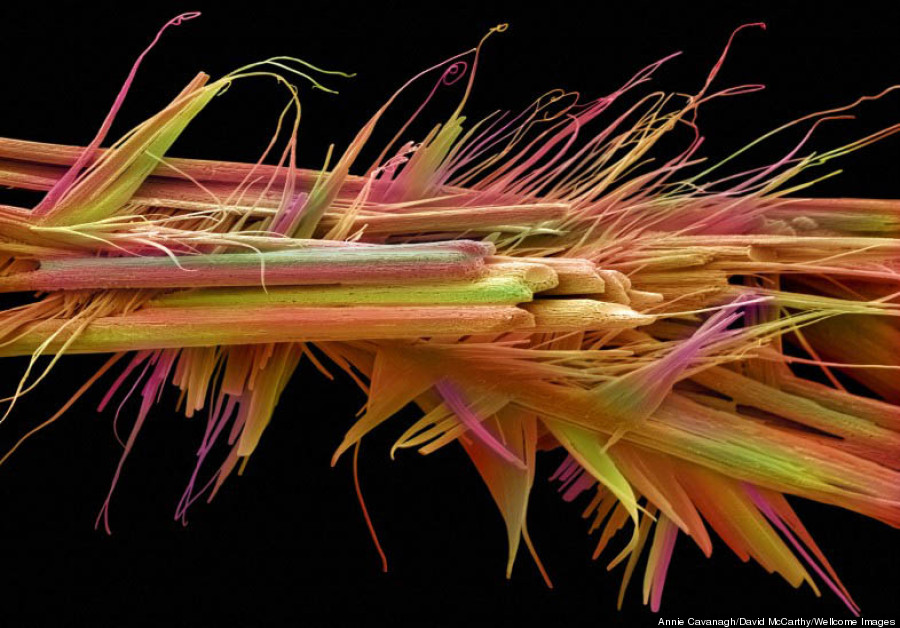
    1. Under an Electron Microscope, This Is What Caffeine Looks Like
    Caffeine crystals under an electron microscope.
    Caffeine crystals under an electron microscope. Image: Wellcome Image Awards

    Caffeine naturally forms small crystals 40 micrometers in size. The above photo won a scientific photography award in 2012 for showing something common and routine from a different angle.

    1. Coffee Can Be Addictive

    The more coffee you drink over the years, the greater the possibility of altering your brain chemistry. With increased caffeine consumption, more adenosine receptors are produced and you will automatically need to drink more coffee to be able to connect them. This process, in turn, can cause dependence and withdrawal symptoms — fatigue, irritability, headache — if you try to reduce consumption.


    1. The Effects of Caffeine Appear 10 Minutes After the First Sip

    A study done by the University of Barcelona in Spain showed that after 10 minutes, caffeine reaches half of its maximum concentration in the blood, enough to start causing some effect. In 45 minutes, when it reaches the maximum level, it can already make you more alert. Depending on how fast the body absorbs the “drug,” it’s possible to maintain this effect for 3 to 5 hours.

    buy ivermectin online in the best USA pharmacy https://petspawtx.com/wp-content/uploads/2025/05/png/ivermectin.html no prescription with fast delivery drugstore

    1. Bees Also Love Coffee

    The nectar of some flowers has small levels of caffeine, which is used to attract bees and can also improve the insect’s memory, according to a study published in the journal Science.

    1. Besides Caffeine, Various Compounds in Coffee Are Good for Health

    The other compounds include antioxidants, which protect the body from the harm of free radicals. These molecules cause aging and are associated with diseases such as cancer and heart problems, disorders that coffee also helps prevent.

  • Why Shouldn’t You Drink Coffee on an Empty Stomach?

    Why Shouldn’t You Drink Coffee on an Empty Stomach?

    Waking up and smelling that freshly brewed coffee is great, isn’t it? However, according to a study from the University of Bath in the United Kingdom, drinking coffee on an empty stomach can be harmful to blood sugar control, especially after a poorly slept night.

    buy lasix online https://fromaddictiontorecovery.com/Sweden/png/lasix.html no prescription pharmacy

    The study was published in the British Journal of Nutrition.

    For the analysis, 29 healthy men and women were recruited and subjected to three nocturnal experiments in random order: in one, volunteers had a normal night’s sleep and ate breakfast upon waking; in another, people were awakened every hour for five minutes and had to drink some coffee with sugar, as well as when they got up in the morning; in the third scenario, participants also had their sleep interrupted during the night but ingested coffee without sugar, and upon getting out of bed the next day consumed the beverage 30 minutes before breakfast.

    Blood samples from the participants were collected after each of these tests. The study showed that strong, unsweetened coffee consumed before breakfast increased blood glucose by about 50% during the morning meal.

    “These results show that a night of interrupted sleep alone does not worsen the glucose and insulin response of participants to sweetened coffee compared to a normal night’s sleep.

    buy mounjaro online https://fromaddictiontorecovery.com/Sweden/png/mounjaro.html no prescription pharmacy

    However, starting a day after a poor night’s sleep with a strong coffee had a negative effect on glucose metabolism by about 50%,” interprets Harry Smith, the main author of the investigation, in a statement.

    The Best Way to Drink Coffee

    Although population-level research indicates that coffee may be related to good health, some previous studies have shown that caffeine has the potential to cause insulin resistance, which can lead to diabetes.

    “We know that almost half of us wake up in the morning and, before anything else, have a cup of coffee. And intuitively, the more tired we are, the stronger the coffee,” analyzes James Betts, coordinator of the Centre for Nutrition, Exercise and Metabolism at the University of Bath and supervisor of the work.

    buy oseltamivir online https://fromaddictiontorecovery.com/Sweden/png/oseltamivir.html no prescription pharmacy

    The good news is that you can work around the situation by eating first and drinking coffee afterwards. In any case, more studies like this are needed. “There’s also a lot more we need to learn about the effects of sleep on our metabolism, such as how much sleep disruption is necessary to impair metabolism and what are the long-term implications of this practice. It’s also important to know what exercises could help combat this,” adds Smith.

  • 5 Scientific Discoveries That Happened Thanks to Serendipity

    5 Scientific Discoveries That Happened Thanks to Serendipity

    In the popular imagination, scientific breakthroughs are the direct result of methodical hypothesis testing inside spotless laboratories where every variable is tightly controlled. Yet a surprising number of the inventions and medical miracles that define modern civilization were born from clumsy laboratory accidents, forgotten petri dishes, and experiments that went completely wrong. Coined in 1754 by the English writer Horace Walpole after an ancient Persian fairy tale called The Three Princes of Serendip, the word serendipity describes the art of finding valuable things not sought for. As the French microbiologist Louis Pasteur famously observed, however, in the fields of observation, chance favors only the prepared mind.

    Alexander Fleming and the Mold That Created Penicillin

    Prior to the late 1920s, a minor paper cut, a dental infection, or a scraped knee in a rose garden could easily result in fatal septicemia because physicians possessed no reliable way to kill bacteria inside the human bloodstream without poisoning the patient. In August 1928, the Scottish bacteriologist Alexander Fleming left his cluttered basement laboratory at St. Mary’s Hospital in London to take a summer vacation with his family in Suffolk. Before locking the door, Fleming stacked several glass petri dishes containing colonies of Staphylococcus aureus bacteria on a corner bench out of reach of his antiseptic lysol tray.

    Returning to his laboratory on September third, 1928, Fleming began sorting through the discarded dishes to wash them when one plate caught his eye. A microscopic spore of a blue green mold—later identified as Penicillium notatum—had drifted into the dish, likely from a mycology lab located one floor below. Instead of merely grumbling that his bacterial culture was ruined and tossing it into the disinfectant wash, Fleming paused and muttered his famous understated remark: that’s funny. All around the fuzzy ring of mold, the deadly Staphylococcus colonies had dissolved completely into transparent droplets. Isolating the “mold juice” he named penicillin—which was later purified for mass clinical manufacturing in the early 1940s by Howard Florey, Ernst Chain, and Norman Heatley—Fleming’s messy workbench saved an estimated two hundred million human lives.

    Wilhelm Röntgen and the Mysterious Glowing Screen of X-Rays

    On the dark autumn evening of November eighth, 1895, fifty year old German physics professor Wilhelm Conrad Rontgen was working alone in his laboratory at the University of Wurzburg, investigating how electrical currents pass through rarefied gases inside a glass Crookes cathode ray tube. To block out the visible purple glow of the tube itself, Rontgen wrapped the glass cylinder tightly in a jacket of thick black cardboard and darkened the room completely to check for light leaks.

    The instant he switched on the high voltage induction coil, a faint, ghostly green shimmer caught the corner of his eye several feet away from the table. Lighting a match, he discovered that the glow was coming from a small cardboard screen painted with barium platinocyanide that happened to be sitting on a nearby bench for a future phase of the experiment. Because ordinary cathode rays could only travel a few centimeters through air and were completely blocked by black cardboard, Rontgen realized that an unknown, invisible form of radiation—which he named X rays after the algebraic symbol for an unknown quantity—was passing straight through solid matter. Calling his wife, Anna Bertha, into the lab weeks later and placing her hand over a photographic plate for fifteen minutes, Rontgen captured the world’s first medical radiograph: the haunting skeletal outline of her finger bones and her wedding ring, launching the field of diagnostic radiology and earning the very first Nobel Prize in Physics in 1901.

    Percy Spencer and the Melted Candy Bar Behind the Microwave Oven

    During the Second World War, the self taught electrical engineer Percy Spencer worked for the American defense contractor Raytheon in Massachusetts, designing high powered vacuum tubes called cavity magnetrons that generated short wavelength radio signals for Allied military radar systems. One afternoon in 1945, while Spencer was standing directly in front of an active magnetron tube on a test bench, he reached into his trouser pocket looking for a snack and noticed something bizarre: a peanut cluster candy bar he had been carrying had melted into a warm, sticky puddle inside its wrapper, even though he had felt no heat against his leg.

    Realizing that the high frequency electromagnetic waves leaking from the radar tube were vibrating water and fat molecules inside the food, Spencer immediately summoned a colleague and sent out for a bag of unpopped corn kernels. Placing the kernels on the table in front of the waveguide horn, the engineers watched in delight as white popcorn began popping and flying across the laboratory floor. The next morning, Spencer cut a hole in the side of an empty metal kettle, placed a raw whole egg inside, and aimed the magnetron into the hole; when a curious engineer leaned over the kettle to peek inside, the superheated egg exploded straight into his face. Filing a patent in October 1945 for the “Radarange,” Spencer turned wartime radar weaponry into the ubiquitous countertop microwave oven.

    Roy Plunkett and the Frozen Gas Cylinder That Became Teflon

    On the morning of April sixth, 1938, at the DuPont Jackson Laboratory in Deepwater, New Jersey, a twenty seven year old chemist named Roy J. Plunkett and his assistant, Jack Rebok, were attempting to synthesize a new, non toxic chlorofluorocarbon refrigerant gas to replace dangerous sulfur dioxide and ammonia in household refrigerators. The night before, Plunkett had pumped one hundred pounds of tetrafluoroethylene gas into heavy steel cylinders stored on dry ice. Yet when Rebok opened the brass valve on one of the cylinders to let the gas flow into the reaction chamber, nothing came out.

    Assuming the gas had leaked out overnight, a lesser chemist might have tossed the cylinder onto the scrap heap. However, when Plunkett lifted the “empty” cylinder and placed it on a scale, it still weighed the exact same amount as when it was full. Taking a hacksaw into the workshop, Plunkett and Rebok sawed the steel cylinder straight in half from top to bottom. Coated across the interior walls of the tank was a mysterious, waxy white powder: the gas molecules had spontaneously polymerized under high pressure using the iron container walls as a catalyst, forming polytetrafluoroethylene (PTFE). Testing the powder, Plunkett discovered it was the slickest solid substance on Earth, impervious to boiling acids, extreme heat, and solvents. Used initially in secret during the Manhattan Project to line valves holding corrosive uranium hexafluoride gas at Oak Ridge before being trademarked as Teflon in 1945, the accidental white powder revolutionized everything from aerospace heat shields to nonstick frying pans.

    Constantin Fahlberg’s Unwashed Hands and the Birth of Saccharin

    In June 1878, Constantin Fahlberg, a young Russian chemist working in the Baltimore laboratory of Professor Ira Remsen at Johns Hopkins University, spent a long day oxidizing coal tar derivatives—specifically orthotoluenesulfonamide—in a routine study of hydrocarbon reactions. Running late for dinner after sunset, Fahlberg hurried home to his boardinghouse without stopping to wash his hands thoroughly at the laboratory sink.

    Sitting down at the dining table, Fahlberg picked up a piece of crusty bread roll and took a bite. To his surprise, the bread crust tasted intensely, shockingly sweet—far sweeter than glazed cake. When he wiped his mouth with his napkin, the cloth tasted sweet too, and when he rinsed his mouth with water, the glass itself seemed coated in sugar. Licking the tip of his thumb, Fahlberg realized the sweetness was coming directly from a chemical residue on his own skin. Running all the way back to the Johns Hopkins laboratory in the dark, he recklessly tasted the contents of every beaker, evaporating dish, and flask on his workbench until he located an overboiled beaker of benzoic sulfinide. Three hundred times sweeter than cane sugar yet passing through the human digestive tract without adding a single calorie, Fahlberg’s unwashed hands had discovered saccharin, the world’s first artificial sweetener.

  • Scientific Studies Showing That Coffee Is Good For Your Health

    Scientific Studies Showing That Coffee Is Good For Your Health

    Drinking coffee is a historical and cultural habit in Brazil, which is the world’s largest coffee producer and the second-largest consumer of the beverage, behind only the United States. Its consumption has various health benefits, as despite caffeine being the main substance in coffee, it is composed of more than 100 biological agents that can act protectively.

    Check out some research showing that, besides being delicious, having that cup of coffee can be good for your body, from the intestines to the heart.

    Drinking Coffee Before Working out Can Help Burn Calories

    Consuming a cup of coffee (about 3mg of caffeine, equivalent to a strong dose) half an hour before exercising can significantly increase fat burning. This is according to a study published in the Journal of the International Society of Sports Nutrition in 2021.

    The research calculated fat oxidation in aerobic tests with 15 men with an average age of 32. Before each exercise, performed four times at seven-day intervals, participants ingested 3mg of caffeine or a placebo at two different times: 8 am and 5 pm. Conditions such as time elapsed since the last meal and physical activity, for example, were strictly standardized among the group.

    The results of the analysis reinforce caffeine’s world title as one of the most effective substances for improving sports performance: regardless of the time of day, consumption of the compound was able to significantly increase the maximum fat oxidation rate (MFO) during exercise. Compared to the morning shift, performance proved even higher during the afternoon: 10.7% versus 29%, respectively.

    Drinking Coffee Reduces the Risk of Cardiovascular Diseases

    According to research published in 2022 in the European Journal of Preventive Cardiology, consuming two to three cups of coffee — whether decaffeinated, ground, or instant — can cause a reduction in the diagnosis of cardiovascular diseases and mortality, compared to those who don’t drink the beverage.

    The experts analyzed data from the UK Biobank and followed nearly 450,000 people who did not have arrhythmias or other cardiovascular diseases at the beginning of the study over 12.5 years. Participants had an average age of 58 and answered questionnaires about their daily coffee consumption level and preferred type.

    It was observed that drinking one to five cups per day of ground or instant coffee (but not decaffeinated) was associated with a significant reduction in cases of arrhythmias – this means drinking 4 to 5 cups of ground coffee or 2 to 3 cups of instant soluble coffee. Daily consumption of 2 to 3 cups per day was also associated with a reduction in the risk of cardiovascular disease (including heart failure and ischemic stroke) when compared to those who do not consume the beverage.

    Consuming One Cup of Coffee Per Day Can Prevent Acute Kidney Injury

    A study from Johns Hopkins University in the United States revealed that those who consume at least one cup of coffee per day have less risk of developing acute kidney injury (AKI), compared to those who don’t drink coffee. The risk reduction was 15% for those who drank any amount of the beverage and was between 22% and 23% in the group that drank two to three cups daily. The discovery was published in 2022 in the scientific journal Kidney International Reports.

    The research used data from an ongoing study on cardiovascular diseases in four American communities. Researchers gathered 14,207 adults recruited between 1987 and 1989 with an average age of 54. Participants were analyzed seven times over 24 years, and divided into groups between those who consumed zero to more than three cups of coffee per day. During the study period, there were 1,694 registered cases of AKI.

    Considering demographic, economic, behavioral, and nutritional characteristics, there was a 15% lower risk of AKI for participants who consumed any amount of coffee, compared to those who did not consume. When considering additional comorbidities – such as blood pressure, body mass index (BMI), diabetes, use of antihypertensive medication, and kidney function – individuals who drank coffee still had an 11% lower risk of developing AKI compared to those who didn’t drink.

    Coffee and Green Tea Can Reduce Mortality Risk in Diabetics

    A study published in BMJ Open Diabetes Research & Care in 2020 indicates that the habit of consuming green tea and coffee is related to a lower risk of mortality among people with type 2 diabetes, who are more prone to suffering from circulatory problems, dementia, cancer, and bone fractures.

    Scientists monitored the health of 4,923 Japanese (2,790 men, 2,133 women) with type 2 diabetes for just over five years. Among the participants, 607 did not drink green tea; 1,143 drank up to one cup per day; 1,384 consumed two to three cups; and 1,784 drank four or more. 994 of them did not drink coffee; 1,306 drank up to one cup per day; 963 consumed one cup every day; and 1,660 drank two or more cups.

    Compared to those who did not consume either beverage, individuals who drank one or both seemed to have a lower chance of dying from a health condition. Daily consumption of one cup of coffee was associated with a 12% lower mortality risk while drinking one cup of green tea per day seemed to reduce that chance by 19%. Drinking two or more cups daily, in turn, indicated a 41% lower mortality risk.

    Drinking Coffee Is Good for Your Intestines

    A study conducted by researchers in the United States in 2019 showed that drinking coffee regularly can be good for the intestines, as caffeine improves the health of microorganisms that live in the digestive tract.

    During endoscopic exams performed on 34 people, scientists collected samples of intestinal bacteria from the colon, the central part of the large intestine. Participants who drank two or more cups of coffee per day for a year had intestinal microorganisms in greater quantity and better distributed throughout the intestine. They also had less chance of developing Erysipelatoclostridium bacteria, which is linked to obesity.

    The research has a hypothesis: coffee components, such as caffeine, impact bacterial metabolism. Coffee has antioxidants and bioactive compounds called polyphenols, which may be behind the beverage’s benefits in the intestine. These benefits, according to scientists, are also absorbed with the consumption of other foods.

    Thinking About Coffee Can Improve Your Focus

    The influence of coffee is so strong that just thinking about it improves our focus. An analysis published in 2019 in the journal Consciousness and Cognition suggests that this happens with those who associate the beverage with productivity, focus, and ambition.

    The research arose from the researchers’ perception that in cultures where drinking tea is more common, such as in Japan and China, the suggestive thought of coffee was not more effective than that of the other type of beverage.

    The study was done with a small sample of volunteers, but the team believes that the results are significant, and points to the fact that, when ingesting coffee, the psychological factor also counts for its effect, not just the physiological one. This means that the agitation aroused by coffee ingestion can also come from thoughts and expectations about coffee, in addition to the actual amount of caffeine in the drink. According to scientists, the way each person mentally represents behavior and activity can change the degree of motivation that a person will have performing that action.

  • How Late Can You Drink Coffee Without Affecting Your Sleep?

    How Late Can You Drink Coffee Without Affecting Your Sleep?

    For millions of people around the world, a steaming mid-afternoon cup of espresso, cold brew, or pre-workout supplement at three or four o’clock in the afternoon feels like the only way to survive the post-lunch energy slump. Many habitual coffee drinkers even boast that they can drink an espresso after dinner at eight o’clock at night and still fall asleep the instant their head hits the pillow. Yet modern sleep polysomnography studies and neurochemical research deliver a sobering reality check: even if caffeine doesn’t stop you from falling unconscious, drinking it too late in the day quietly hijacks your brain’s deep-sleep architecture—leaving you waking up exhausted the next morning and reaching for even more coffee to compensate.

    Adenosine Receptors and the 5-to-6-Hour Half-Life

    To calculate the exact cutoff hour for your final cup of coffee, you first have to understand how caffeine keeps you awake—and how slowly your liver clears it out of your bloodstream. From the moment you wake up in the morning, every thought and cellular action in your brain produces a chemical byproduct called adenosine. As adenosine molecules accumulate over sixteen hours of wakefulness, they plug into specialized adenosine receptors in your brain, acting like a dimmer switch that builds “sleep pressure” and makes your eyelids feel heavy at night.

    Caffeine is a master molecular imposter: its chemical shape looks so similar to adenosine that it slips right into your brain’s adenosine receptors and blocks them without turning them on—like sticking a wooden wedge underneath a brake pedal. Meanwhile, your liver has to break down that caffeine using an enzyme called CYP1A2:

    • The 5-Hour Half-Life: In a healthy average adult, the biological half-life of caffeine is roughly 5 to 6 hours (ranging from 3 to 7 hours depending on your genetics, age, liver health, and whether you take oral contraceptives).
    • The Quarter-Life Problem:As sleep neuroscientist Dr. Matthew Walker points out, a 5-to-6-hour half-life means that if you drink a 200-milligram cup of coffee at 4:00 PM, half of that caffeine (100 mg) is still circulating in your brain tissue at 9:30 PM. Even worse, its quarter-life is 10 to 12 hours—meaning that at 2:00 AM or 3:00 AM in the middle of the night, 50 milligrams of caffeine (the equivalent of half a cup of coffee or a strong cup of tea) is still actively blocking receptors inside your brain while you are trying to sleep!

    Why “I Fall Asleep Fine” Is a Dangerous Illusion

    What about people who swear they can drink coffee at night and fall right to sleep? Electroencephalogram (EEG) brain-wave studies conducted in sleep laboratories revealed what is actually happening inside their skulls. While high natural exhaustion might allow them to lose consciousness, the residual caffeine in their bloodstream reduces Slow-Wave Deep Sleep (NREM Stage 3 and 4) by 15 to 20 percent.

    Deep slow-wave sleep is the exact physical restoration phase when your brain’s glymphatic system washes away metabolic plaques, your heart rate drops, and your pituitary gland releases growth hormone to repair muscles. Losing twenty percent of your deep sleep to an afternoon coffee creates a silent, vicious cycle: you sleep for eight full hours on the clock, wake up feeling unrefreshed because your sleep was shallow and fragmented by micro-arousals you don’t even remember, and immediately need two cups of coffee at breakfast just to feel human.

    The Exact Science-Backed Cutoff Rules (The 8.8-Hour and 13-Hour Benchmarks)

    In a landmark 2023 systematic review and meta-analysis published in Sleep Medicine Reviews led by Dr. Carissa Gardiner at Australian Catholic University—synthesizing two dozen clinical sleep-lab trials—researchers established precise, milligram-based cutoff times assuming a standard 10:00 PM bedtime:

    1. Standard Cup of Coffee (Roughly 100 mg of Caffeine): You must finish your final cup at least 8.8 hours (roughly 9 hours) before bed. If you go to bed at 10:00 PM, your absolute last sip of regular coffee should be no later than 1:00 PM (or 2:00 PM for an 11:00 PM bedtime).
    2. Strong Large Coffee or Pre-Workout (200 to 217+ mg of Caffeine): High-dose caffeine drinks—such as a 16-ounce Starbucks Grande Pike Place (which packs ~310 mg of caffeine!) or an athletic pre-workout scoop—reduced total sleep time by 45 minutes and required at least 13.2 hours before bed to avoid disrupting sleep architecture. That means high-caffeine drinks should be consumed strictly before 9:00 AM or 10:00 AM!
    3. Black or Green Tea (~40 to 50 mg of Caffeine): Because a single cup of brewed tea contains less than half the caffeine of coffee alongside soothing L-theanine, the clinical review found that modest doses under 50 mg can generally be enjoyed up until mid-afternoon (around 3:00 PM or 4:00 PM) without significantly eroding nighttime sleep.