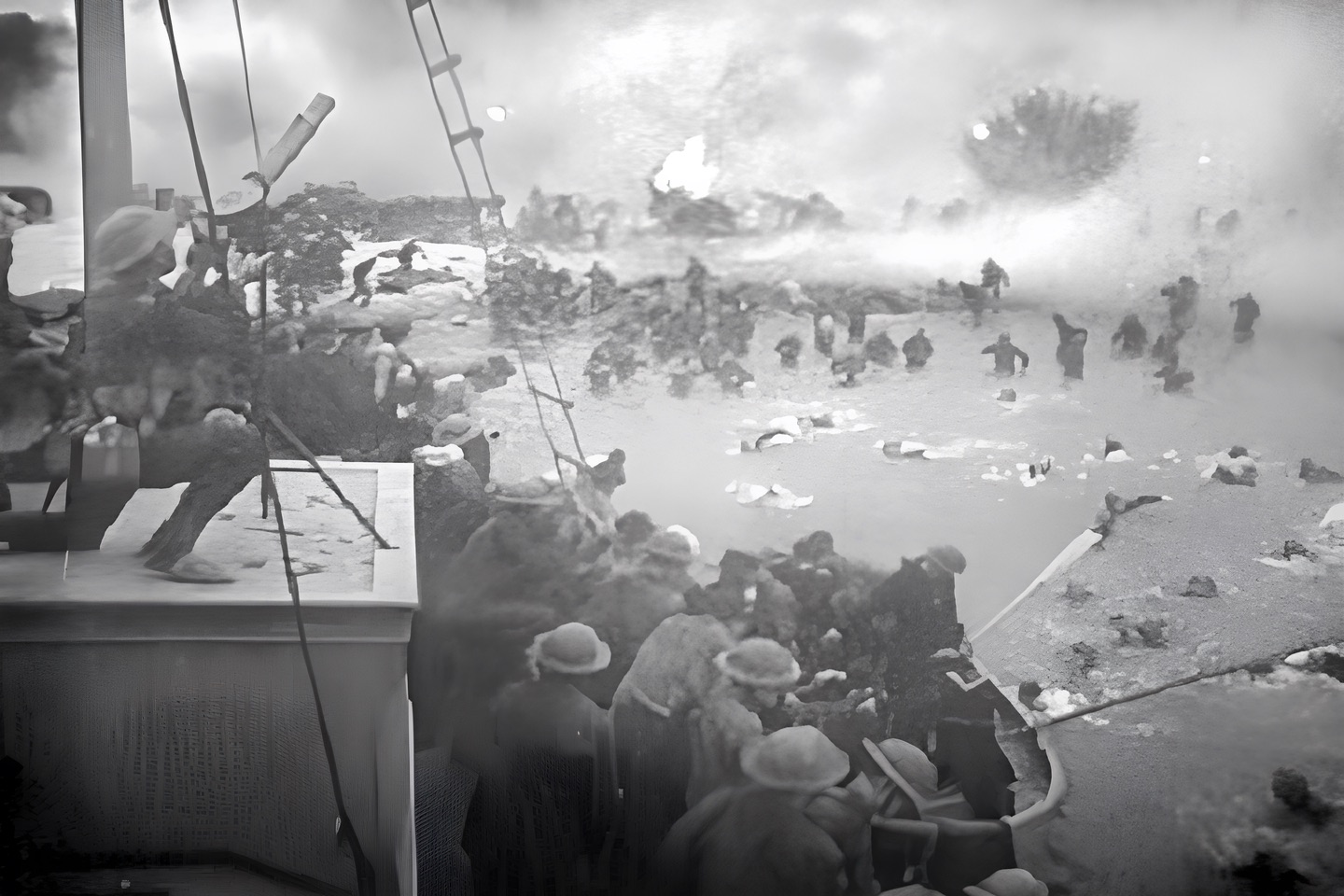
At the outset, it was a hastily organized evacuation operation, intended to save whatever could be saved, and whose organizers themselves did not expect it to succeed… From May 27 to June 4, 1940, tens of thousands of soldiers, mostly British and French, were evacuated from Dunkirk, surrounded by the German army, in order to continue the fight on the other side of the English Channel. Eighty years later, this episode has become known as the “Miracle of Dunkirk,” reinforced by the enormous box office success of Dunkirk in 2017. Eighty years on, legend and fact still collide in collective memory.
To begin with, and contrary to a persistent myth, it was not the strategy of the French army (the sacrosanct Maginot Line) that caused its downfall during the terrible days of May and June 1940, but rather the opposite. The Dyle-Breda strategic plan (developed in early May) provided, in the event of a German attack, for reserves and mobile troops to be deployed into Belgium in order to confront the bulk of the enemy forces there. Unfortunately, the enemy chose instead to advance through the Ardennes and to break through along the Meuse, around Sedan. This advance, to which the French high command seemed incapable of responding, had disastrous consequences for the Allies. The bulk of their maneuvering forces, including the British Expeditionary Force (BEF), found themselves, with the German push toward the Channel, soon encircled and cut off from the rest of the French army to the south.
What could be done? Very little, as British Prime Minister Winston Churchill bitterly observed on May 17, 1940, when he discussed the situation with French President Paul Reynaud and General Maurice Gamelin, commander-in-chief of the Allied armies. The latter informed him that he had no reserves at his disposal. Churchill was appalled. Two days earlier, Reynaud had told him over the telephone, “We are defeated,” and Churchill had initially believed it to be a moment of panic on the part of his counterpart. He now realized that it was not. The situation was catastrophic.
And yet, by June 4, 85 percent of the troops, a total of 338,226 men, including 120,000 French and Belgian soldiers, would be safely transferred to the United Kingdom. Never had a forced evacuation carried so much of the flavor of victory. But the operation was far less smooth and far less “miraculous” than it might appear…
1. What was Operation Dynamo?
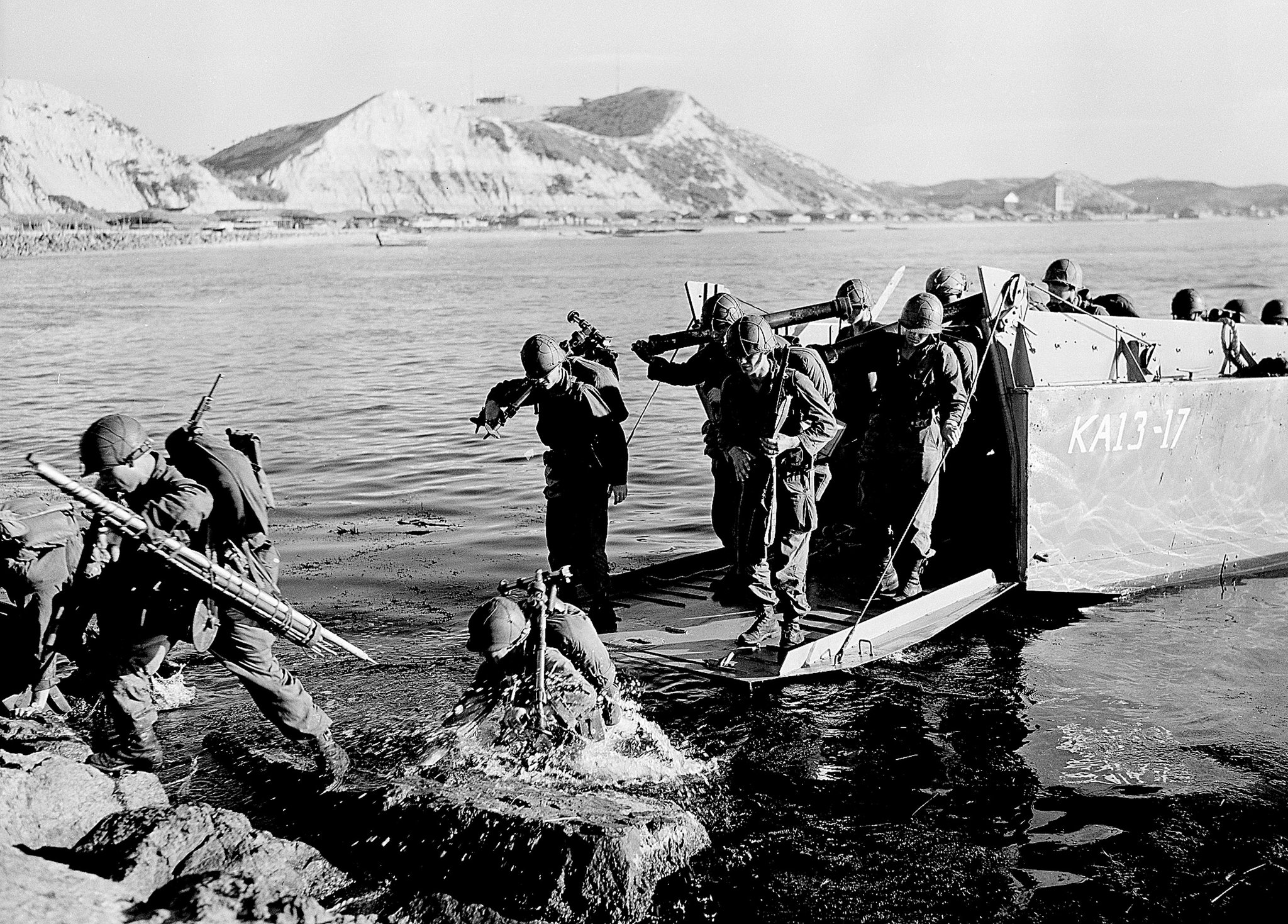
Operation Dynamo was the codename given to the massive evacuation of Allied troops from the beaches and harbor of Dunkirk between May 27 and June 4, 1940. Organized by the British Admiralty under extreme pressure, it aimed to rescue as many soldiers as possible from encirclement by German forces.
2. Why was Dunkirk so critical?
Dunkirk represented the last viable evacuation point for Allied troops trapped in northern France. With German forces advancing rapidly toward the English Channel, it became the only escape route to Britain. Losing these troops would have severely weakened the Allies’ ability to continue the war.
3. How many soldiers were evacuated?
In total, approximately 338,000 soldiers were evacuated. While the majority were British, around 100,000 French troops were also rescued. This figure far exceeded initial expectations, as planners had hoped to save only about 45,000 men.
4. Who participated in the evacuation effort?
The evacuation involved a wide range of vessels, from Royal Navy destroyers to civilian boats. Hundreds of small private vessels, later known as the “Little Ships of Dunkirk,” crossed the Channel to assist in transporting soldiers from the beaches to larger ships offshore.
5. Why didn’t the German army destroy the trapped forces?
One of the most debated aspects is the German halt order issued in late May 1940. German armored divisions were temporarily stopped, allowing the Allies precious time to organize the evacuation. The reasons remain contested, involving strategic caution, terrain concerns, and decisions by the German high command.
6. What role did the Royal Air Force play?
The Royal Air Force (RAF) provided crucial air cover during the evacuation. Although many soldiers on the beaches believed they had been abandoned, RAF fighters were actively engaging German aircraft inland, preventing devastating air attacks on the evacuation fleet.
7. What conditions did soldiers face on the beaches?
Conditions were extremely harsh. Soldiers waited for days under constant threat of air raids and artillery fire. Supplies were scarce, and discipline was difficult to maintain under the stress of uncertainty and exhaustion.
8. Was Dunkirk a victory or a defeat?
Militarily, Dunkirk was a retreat. The Allies lost vast amounts of equipment and were forced to abandon their position in France. However, strategically and psychologically, it became a symbol of resilience and survival, allowing Britain to continue the war.
9. What happened after the evacuation?
Following Dunkirk, German forces continued their advance into France, leading to the fall of Paris and the eventual French surrender in June 1940. Britain, now largely alone, prepared for a potential invasion while reorganizing its rescued forces.
10. Why is Dunkirk still remembered today?
Dunkirk remains a powerful symbol of collective effort, improvisation, and determination under pressure. The narrative of ordinary civilians assisting in a massive military evacuation has contributed to its enduring place in memory. Its legacy continues to shape interpretations of crisis management, leadership, and national identity.